The Dime Dropped Something
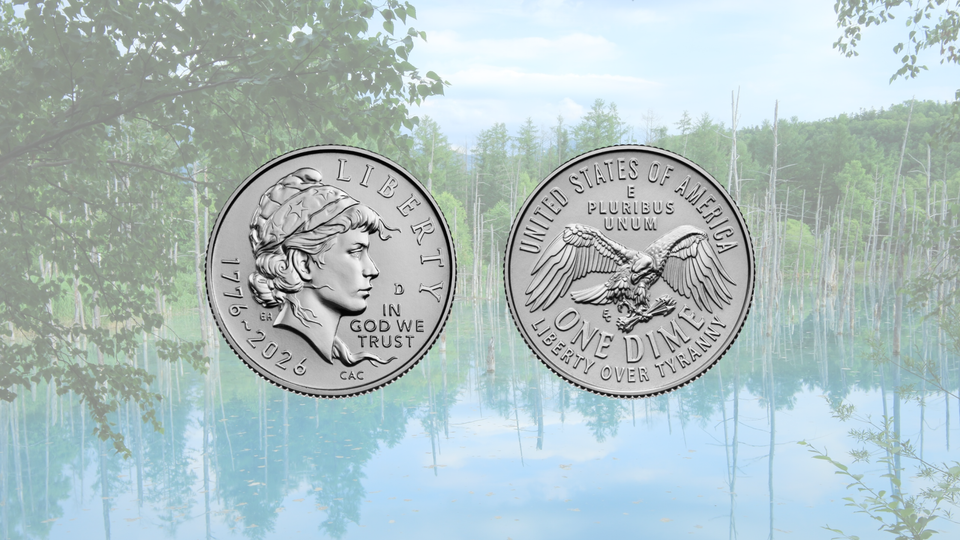
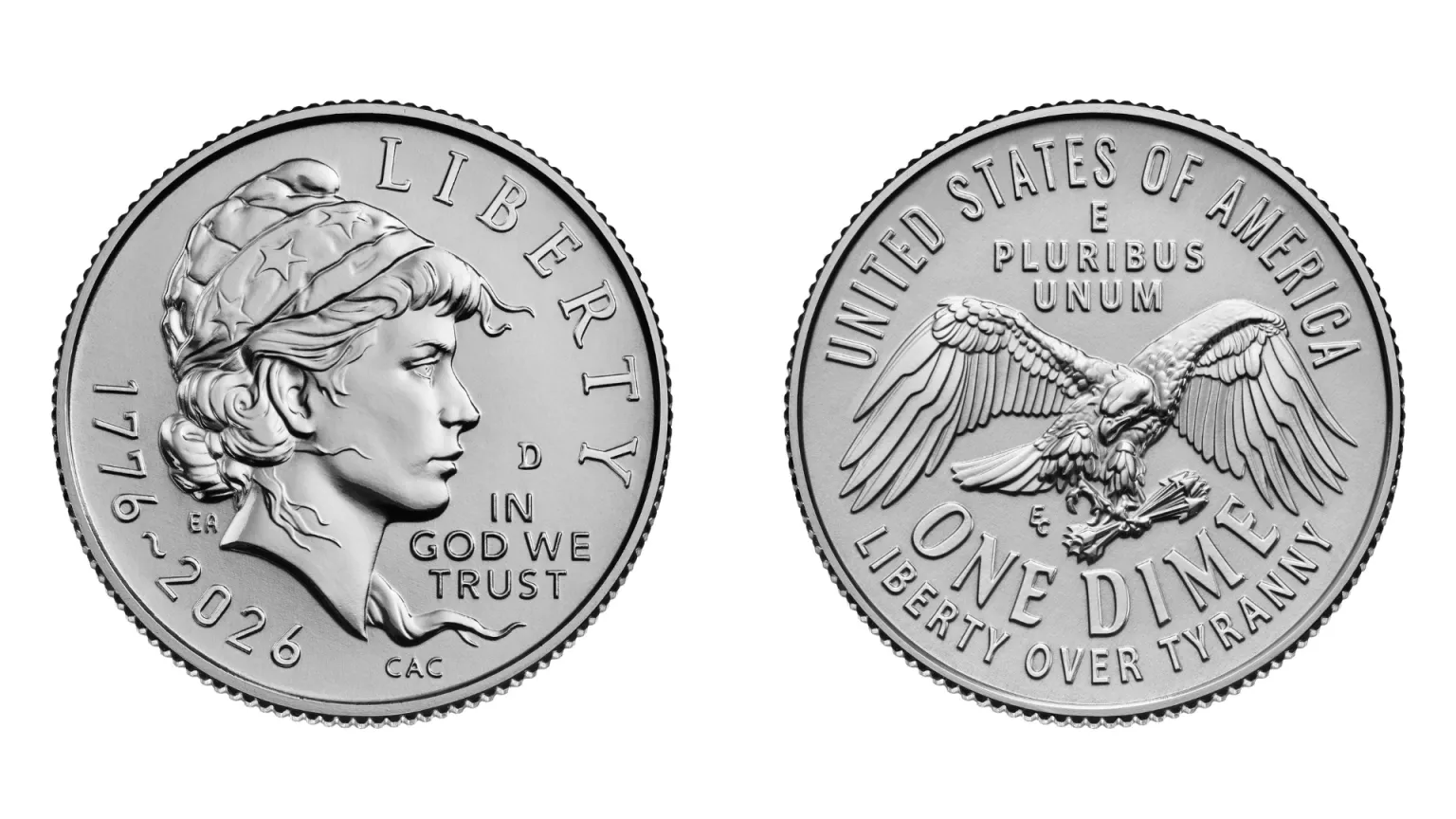
There's a new dime. It features a woman's profile in wind-whipped hair, a cap stitched with stars and stripes, eyes fixed forward with what the U.S. Mint describes as "steadfast resolve." Flip it over. An eagle in flight, talon full of arrows, and beneath it: LIBERTY OVER TYRANNY.
This is the Emerging Liberty Dime. It replaced the Roosevelt design on January 5th of this year — the first change to the ten-cent coin in eighty years. It exists for one year only, a commemorative gesture for the nation's 250th birthday, after which Roosevelt returns to his post and everything goes back to normal.
The Roosevelt dime carried, on its reverse, three symbols: a torch for liberty, an oak branch for strength, and an olive branch for peace. The olive branch has been there since 1946. Before that, on the Mercury dime, a fasces and an olive branch — military readiness and the desire for peace, held in tension. Before that, on the Capped Bust dimes of the 1800s, the eagle clutched both arrows and an olive branch, because that is what the eagle on the Great Seal of the United States has done since 1782, when Charles Thomson designed it and the Continental Congress approved it on the same day.
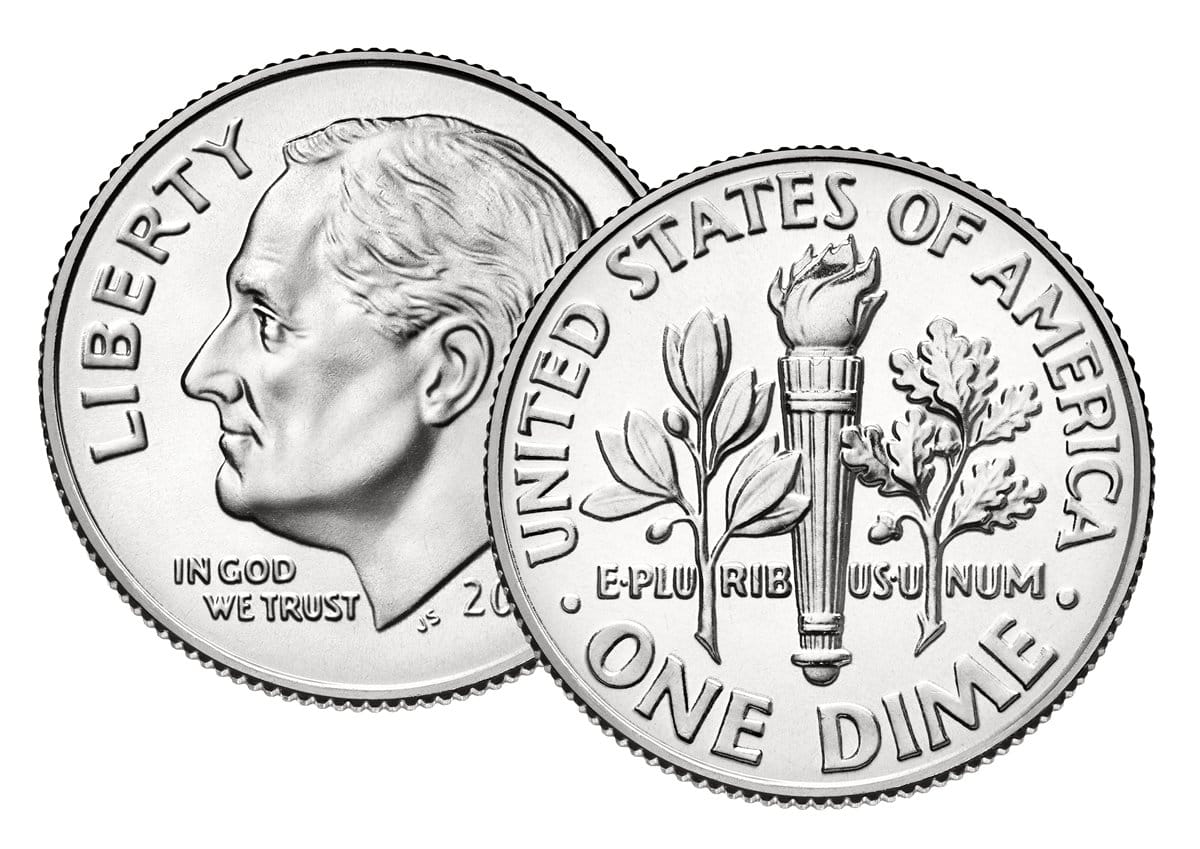
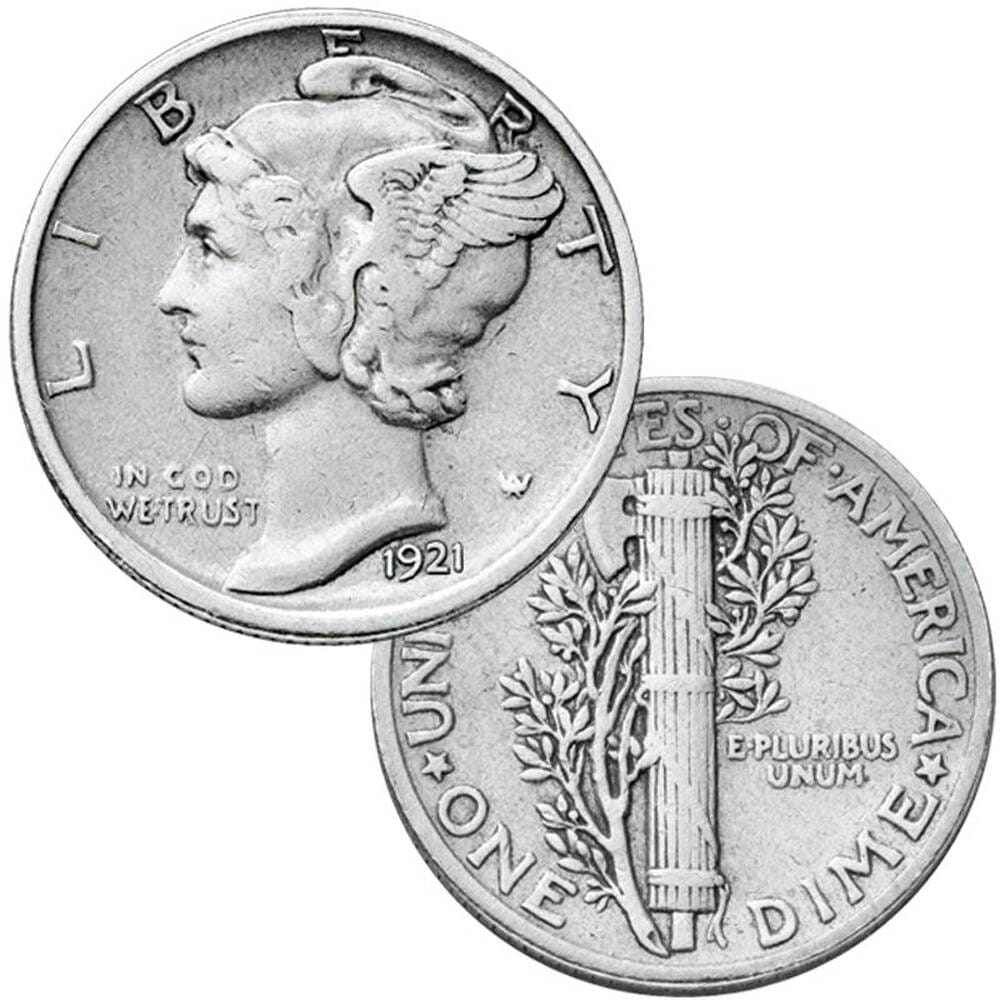
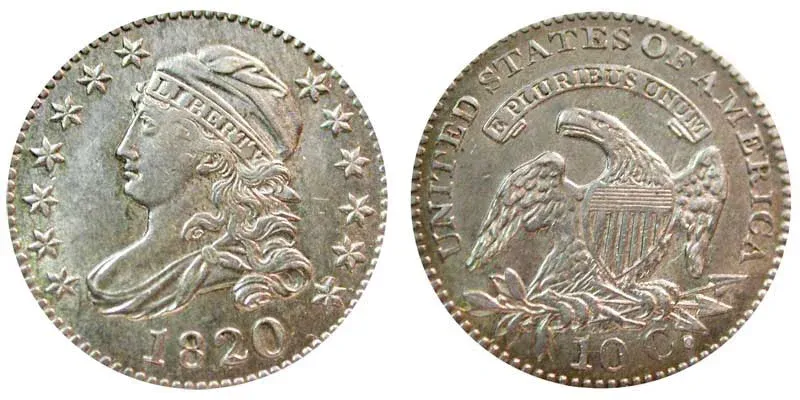
Roosevelt, Mercury, and Capped Bust dimes
The olive branch didn't begin with Thomson. It is one of the oldest symbols in western civilization, and it has meant the same thing almost everywhere it has appeared for roughly three thousand years.
In fifth-century Athens, the olive branch was the attribute of Eirene — the goddess of peace. Athena won patronage of the city by planting an olive tree on the Acropolis while Poseidon could only offer a saltwater spring; the court of gods ruled that the better gift was the one that grows. Olympic victors wore olive wreaths on their heads, and during the games, wars between city-states were suspended. The Romans carried it further — envoys used olive branches as tokens of peace under the Pax Romana, and their god of war had a second aspect, Mars Pacifer, the bringer of peace, depicted on coins holding an olive branch. In the Hebrew Bible, a dove returns to Noah's ark with an olive leaf in its beak — the signal that the floodwaters have receded, that the world is habitable again, that wrath has passed. Early Christians carved the image into the walls of the Roman catacombs. The UN put twin olive branches around its map of the world. And in 1775, a year before the Declaration, the Continental Congress sent the Olive Branch Petition to King George III — a last appeal for peace before the war became irreversible. When Thomson put the branch in the eagle's talon seven years later, he was drawing on a symbol so old and so universal that it needed no explanation. Everyone knew what it meant. Everyone still does.
The 2026 dime has arrows. Only arrows. The olive branch is gone.
This is the kind of detail that easily slides past — a dime is small, and we don't usually care to read our currency like text. But currency is text. It is, in fact, one of the few pieces of text that the state puts directly into the hands of every citizen, without asking. You don't opt in. You don't subscribe. The coin arrives in your change and sits in your cupholder and it says what it says.
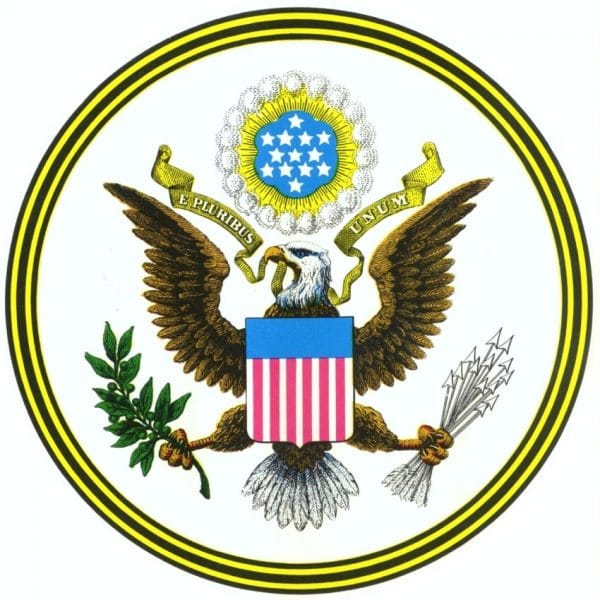
What the Great Seal says — what it has said for 244 years — is dual. The eagle holds thirteen arrows in one talon and an olive branch with thirteen leaves in the other. Its head turns toward the branch. Thomson's own explanation was plain: the olive branch and arrows "denote the power of peace and war which is exclusively vested in Congress." The head faces the olive branch because the nation's preference is peace. The arrows exist because the nation is prepared for the alternative.
In 1945, Harry Truman changed the presidential seal so the eagle's head, which had been facing the arrows since Woodrow Wilson's era, turned back toward the olive branch. He did this while creating the Department of Defense to replace the War Department. He did this at the end of the deadliest war in human history. He wanted, he said, to symbolize "a nation on the march and dedicated to peace." Winston Churchill, upon seeing the change, joked that the eagle's neck should be on a swivel.
That's the tradition. That's the conversation the country has been having with itself, through its symbols, for a Semiquincentennium. Arrows and olive branch. War and peace. Both. Always both.
The 2026 dime picks a side.
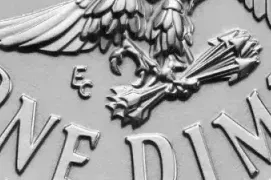
The Mint's official framing is that the Semiquincentennial coins are about the founding era. The Revolution. The fight for independence. An eagle with arrows and the motto LIBERTY OVER TYRANNY is a reference to 1776, not 2026, and the coin is commemorative, and it's only for one year, and then Roosevelt comes back with his olive branch and his torch and his oak.
Fine. Let's take them at their word for a moment.
Even within that framing, the choice is interesting. The Founders themselves — the actual men who fought the actual Revolution — designed a seal that balanced the arrows with peace. They had just won a war, and they still put the olive branch in the eagle's grip. They turned its head toward the branch. Thomson was Secretary of the Continental Congress. He knew what war cost. He built the balance into the seal because of the Revolution, not despite it.
To make a coin celebrating the Founders' legacy and remove half of their most considered symbol is — at minimum — a strange way to honor them. It's like quoting the first half of a sentence because the second half complicates the point you're trying to make.
But let's not pretend the framing holds. Here is the context in which this coin was designed, approved, and released into your pocket:
The United States is at war with Iran.
That fact sits in the room with this coin whether anyone at the Mint acknowledges it or not. An eagle carrying only arrows, minted during war, bearing the words LIBERTY OVER TYRANNY, is a symbol that must be answerable to the reality in which it arrives.
The new dime, somehow, is but one arc of a larger story about what’s happened to the 2026 semiquincentennial coinage, centered on the quiet overriding of a multi-year democratic process by a handful of political appointees.
Here is what was supposed to happen,
The Circulating Collectible Coin Redesign Act of 2020 authorized the Semiquincentennial coins and required that their designs be developed in consultation with the Commission of Fine Arts (CFA), reviewed by the Citizens Coinage Advisory Committee (CCAC), coordinated with the U.S. Semiquincentennial Commission, and informed by public input.
Starting in 2021, the CCAC did exactly that — consulted historians, the Smithsonian, the National Park Service, political appointees from both parties. They ran a public survey. Over several years, they arrived at five quarter themes: the Declaration of Independence, the U.S. Constitution, Abolition, Suffrage, and Civil Rights. The CFA and CCAC reviewed candidate designs across multiple sessions in 2024. Janet Yellen, as Treasury Secretary, reportedly approved a set of final designs before leaving office in January 2025.
But then,
Scott Bessent, the new Treasury Secretary, made different choices. Three of the five quarter themes were replaced. Abolition, Suffrage, and Civil Rights were dropped and replaced with: the Mayflower Compact, the Revolutionary War, and the Gettysburg Address. The CCAC was not asked to review the new designs. Most of the designs unveiled in December 2025 were not in the portfolios the committee had solicited. No member of the CCAC attended the announcement at the National Constitution Center in Philadelphia. Donald Scarinci, the longest-serving member, called it "another sad day for America."
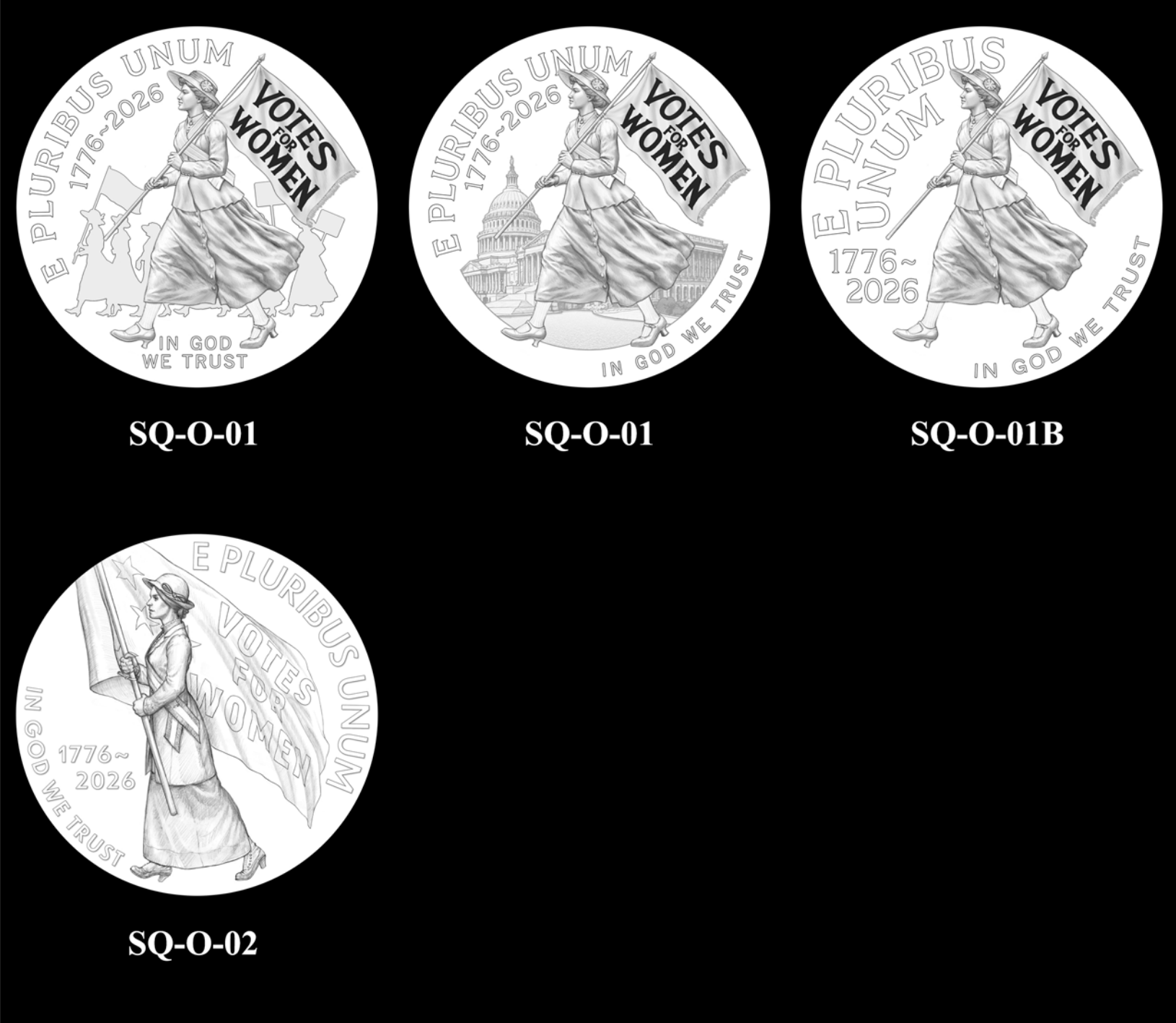
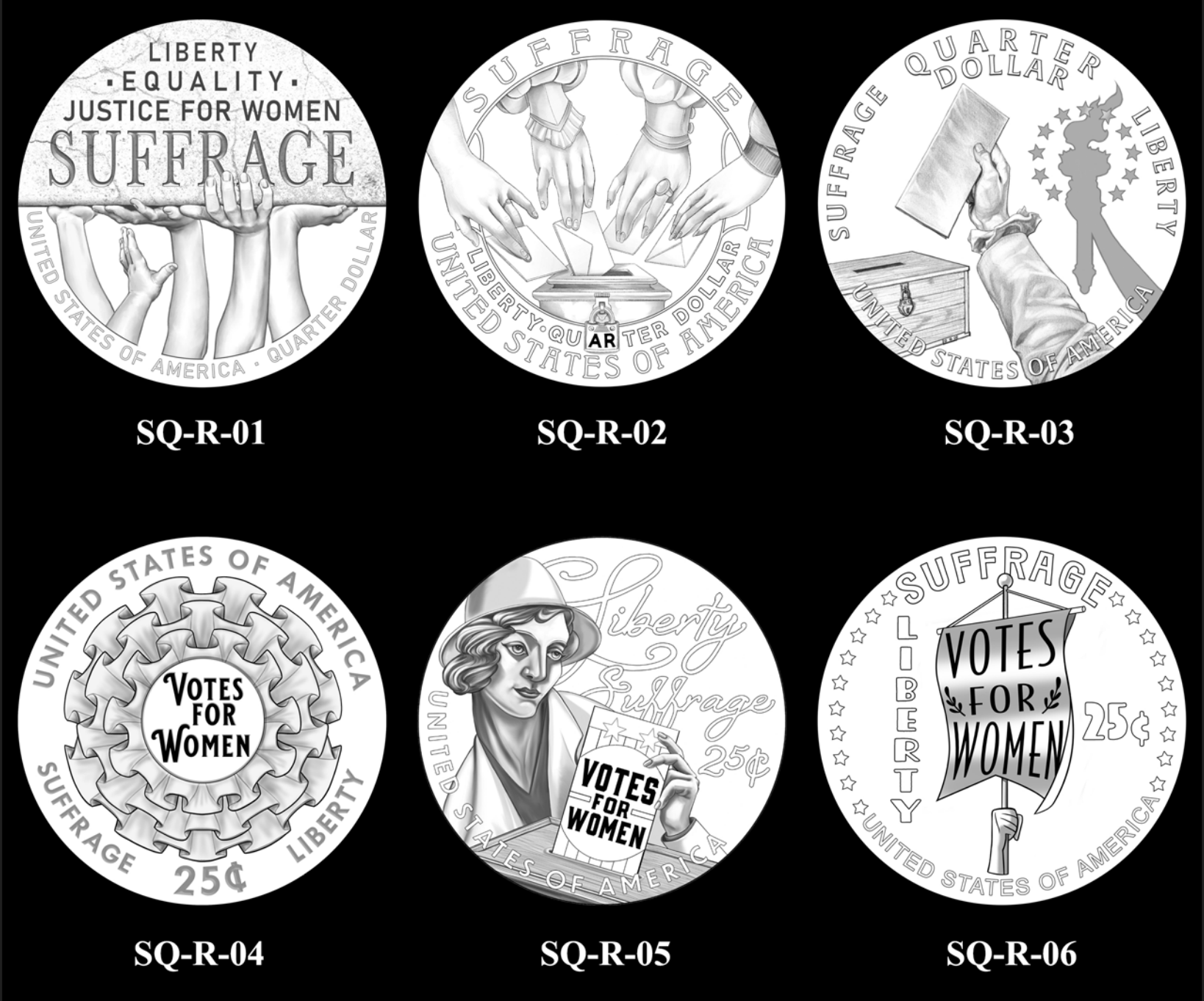
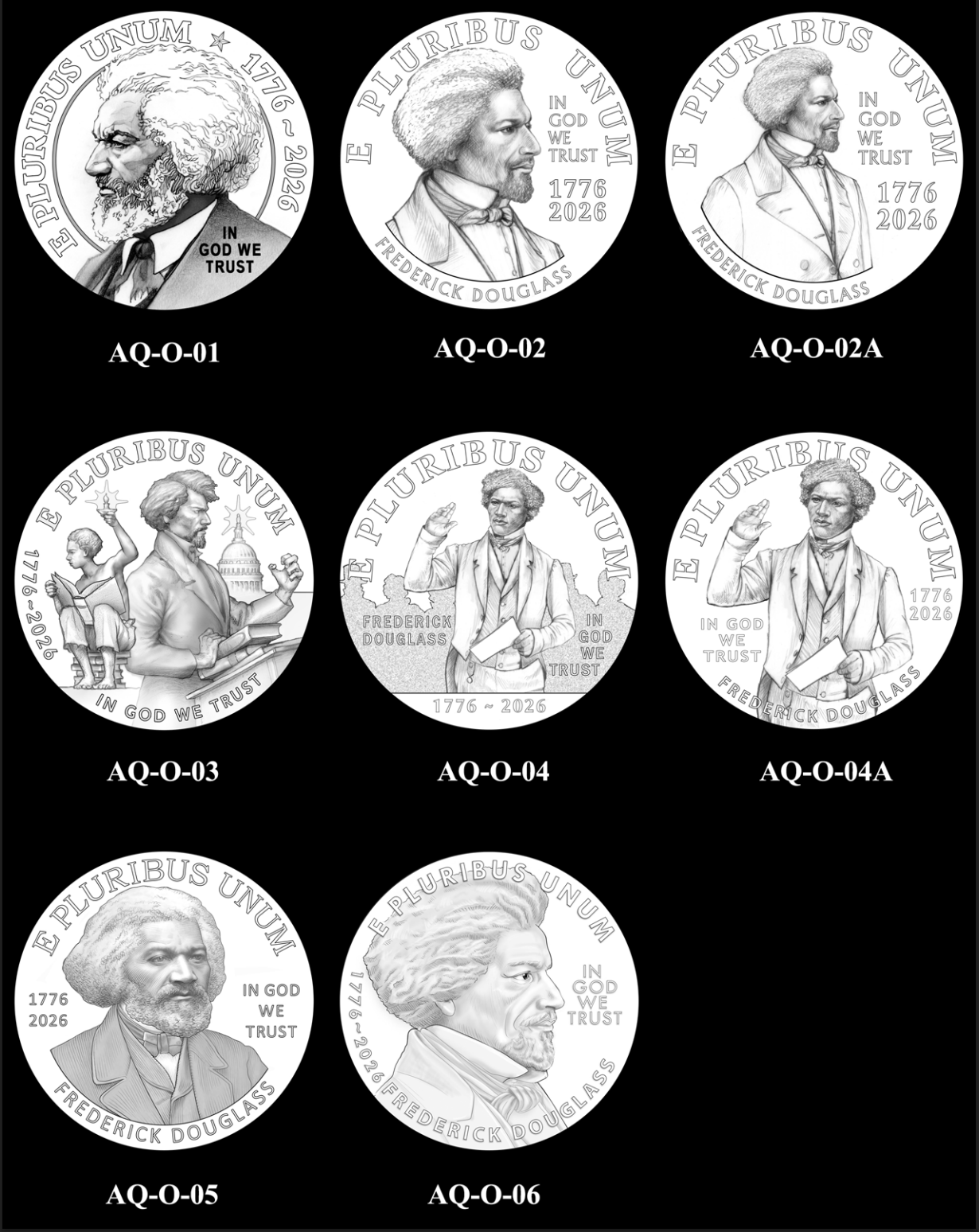
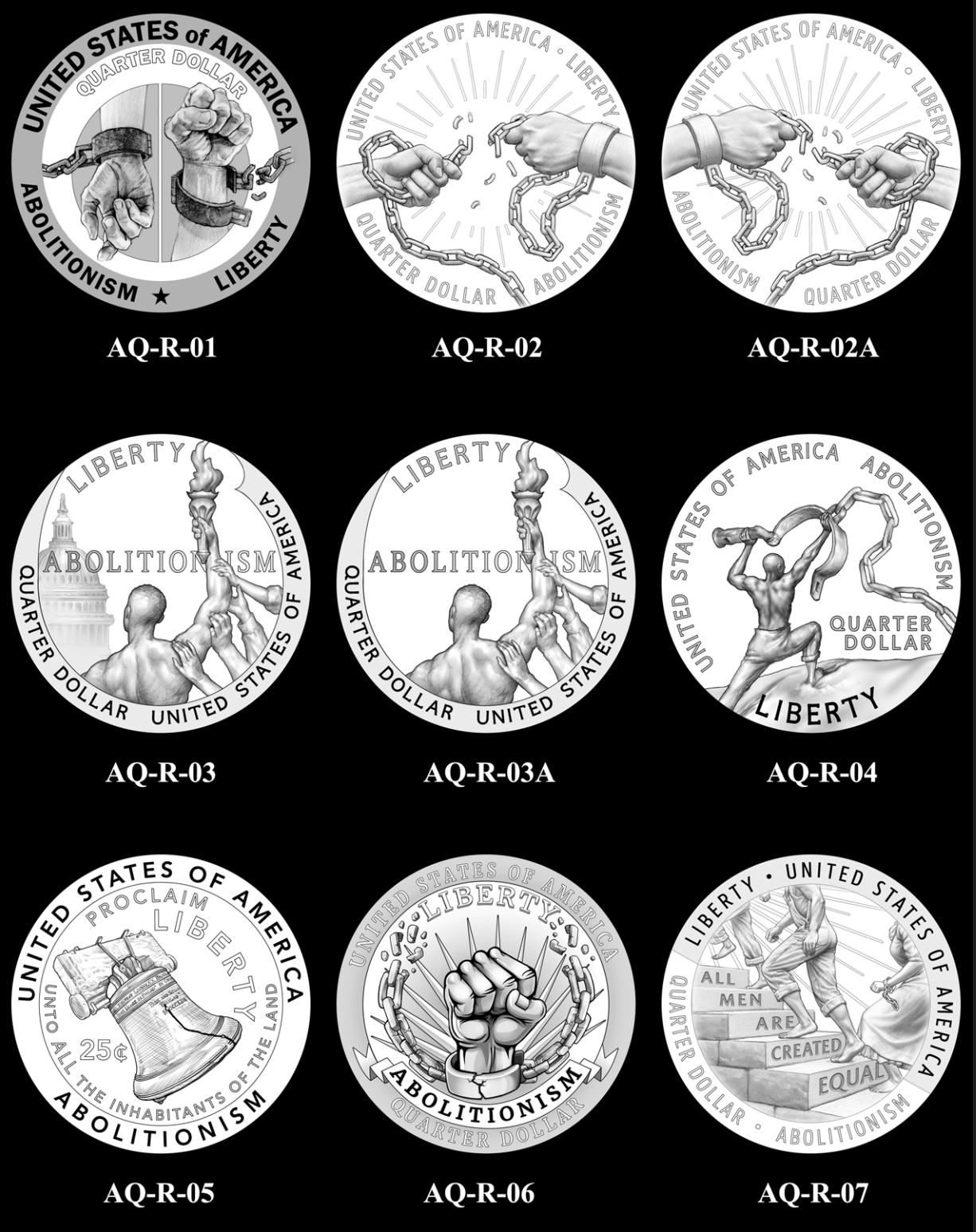
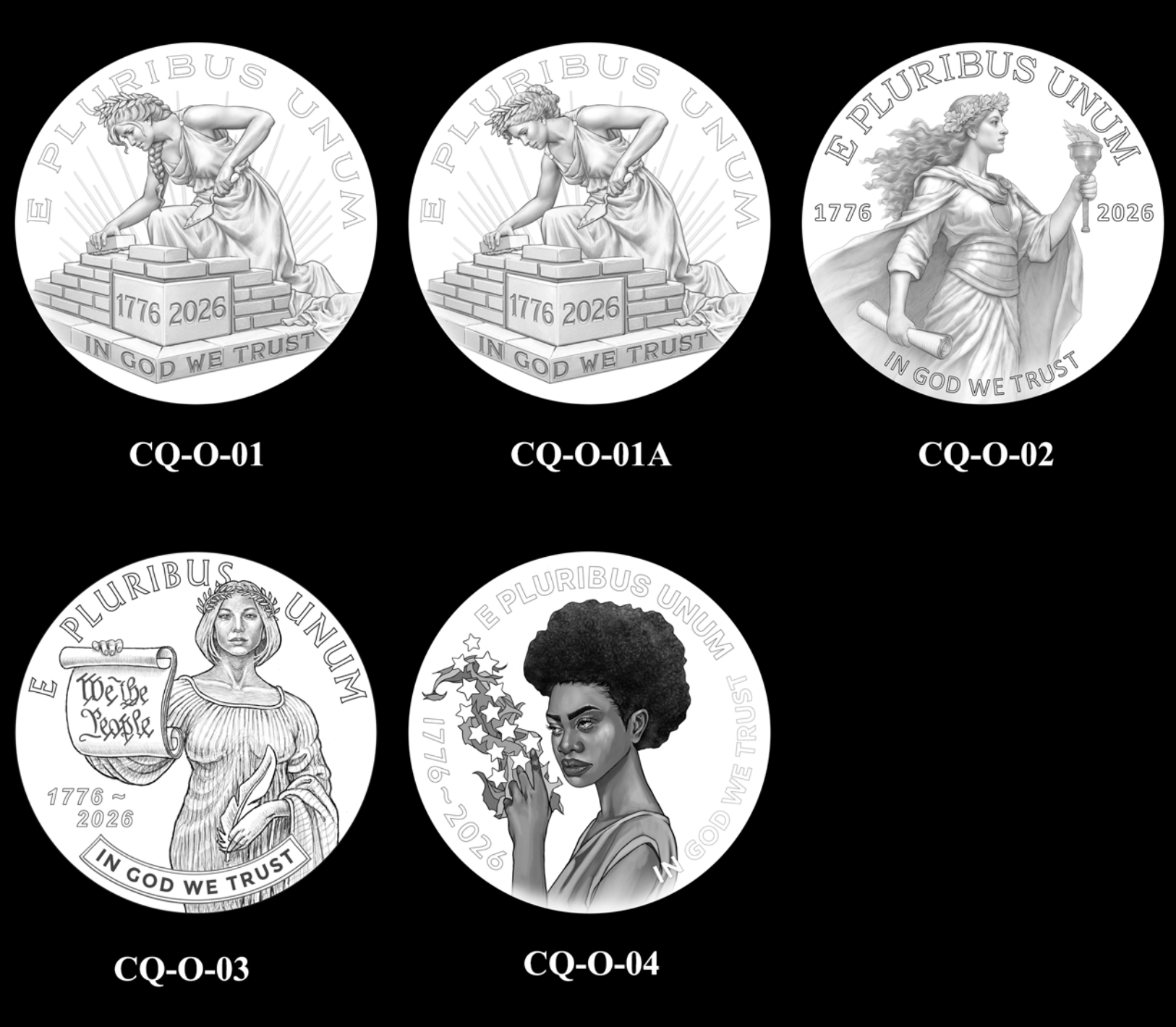
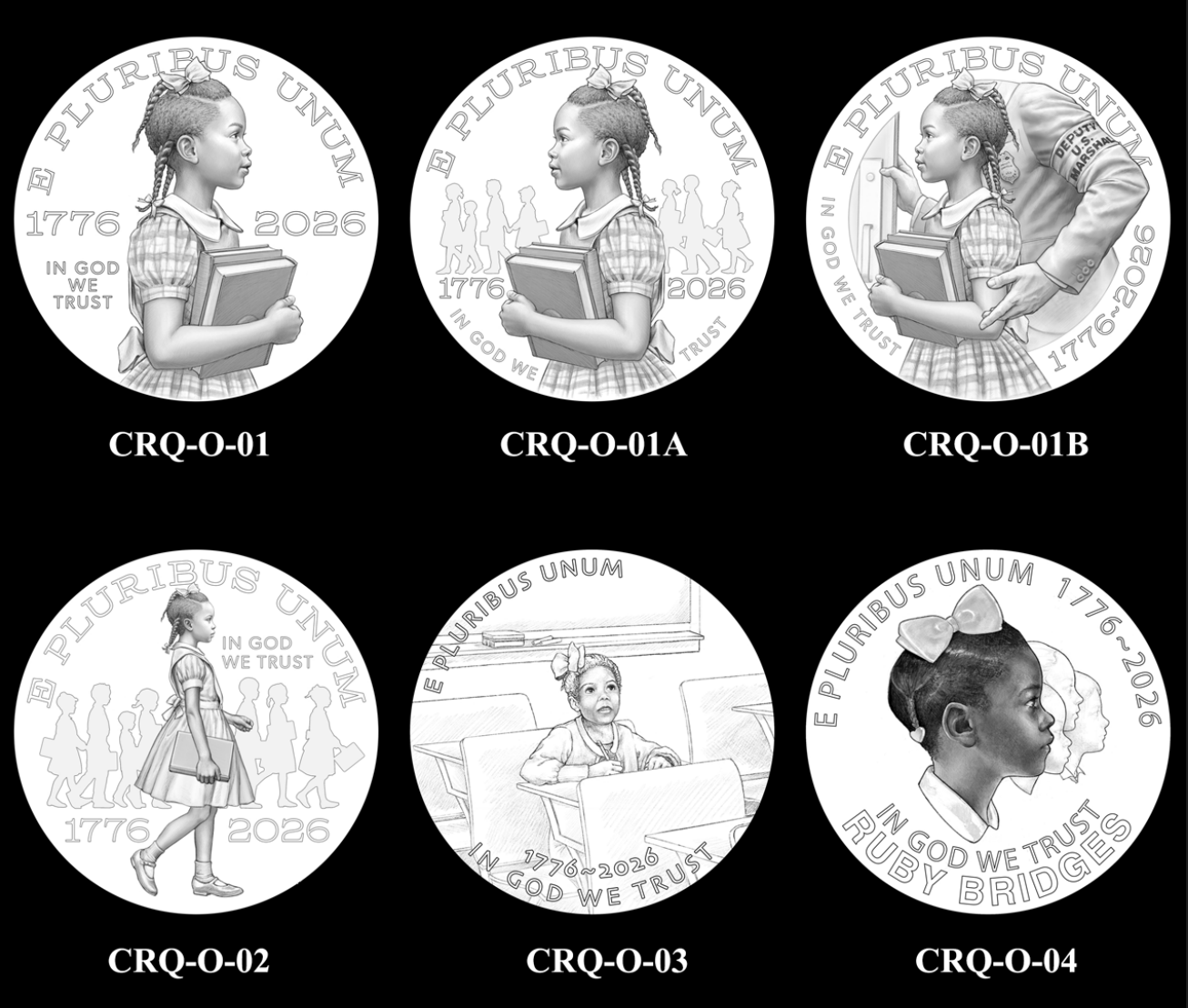
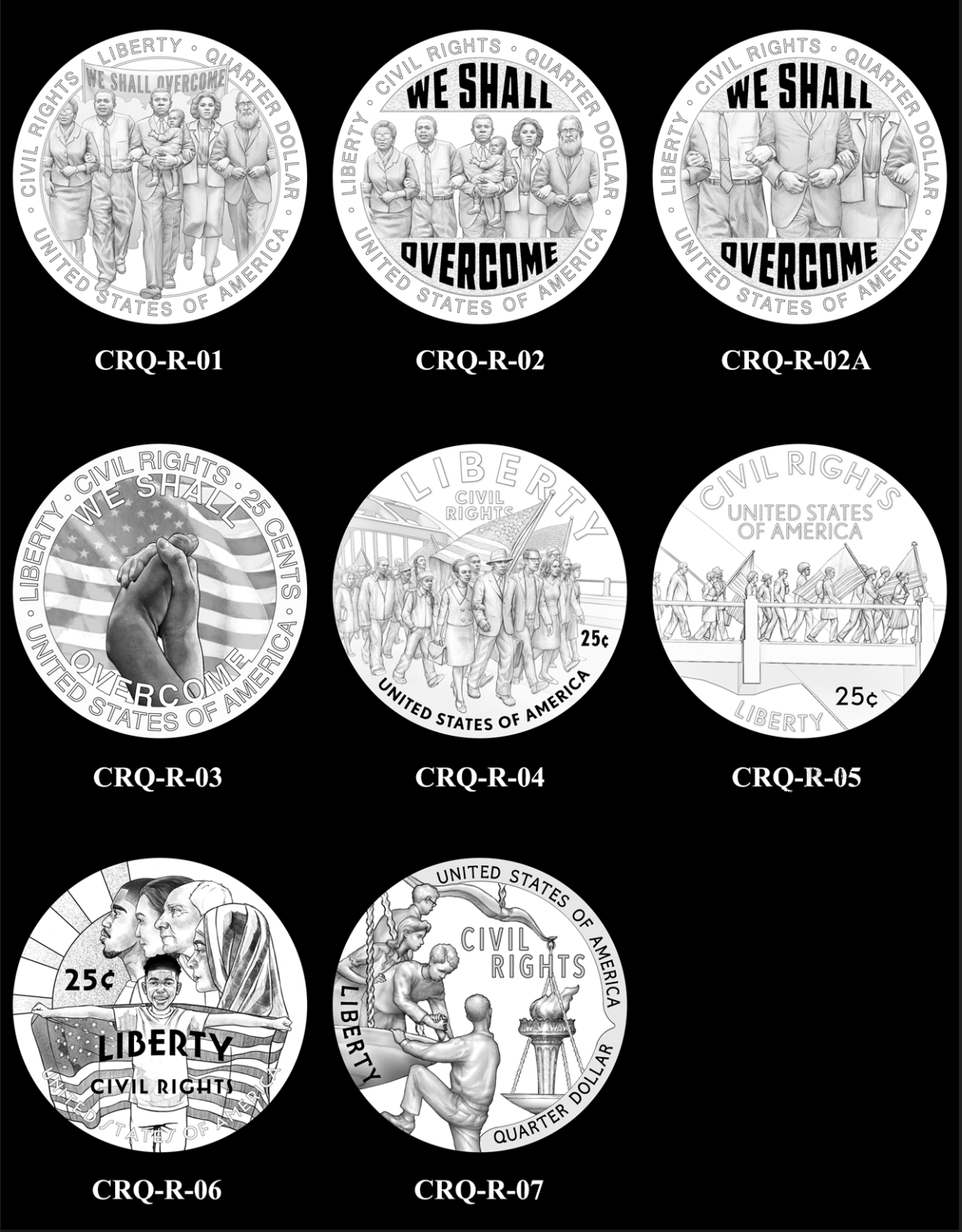
Designs exploring themes of Abolition, Suffrage, and Civil Rights reviewed by the Citizens Coinage Advisory Committee in accordance with The Circulating Collectible Coin Redesign Act of 2020
In October 2025, President Trump had dismissed all members of the Commission of Fine Arts — the body that the law requires be consulted on coin designs. Every member was removed. The law says the CFA must review the designs. The CFA did not exist. A CCAC member later filed a Freedom of Information Act request, noting that the legal requirements around public consultation and the Semiquincentennial Commission appeared to have gone unmet.
And finally there is the Trump dollar — a proposed Semiquincentennial $1 coin bearing the sitting president's portrait, which the newly appointed CFA recommended in January 2026 and which the CCAC chair removed from his committee's agenda, saying that for 250 years, with a few controversial exceptions, no democracy on Earth has put a living ruler's face on its coins. Only kings and dictators do that. The Mint's legal counsel was asked, in a public meeting, about designs that had been reviewed and recommended and then completely redesigned and minted without CCAC involvement. He declined to answer most questions.
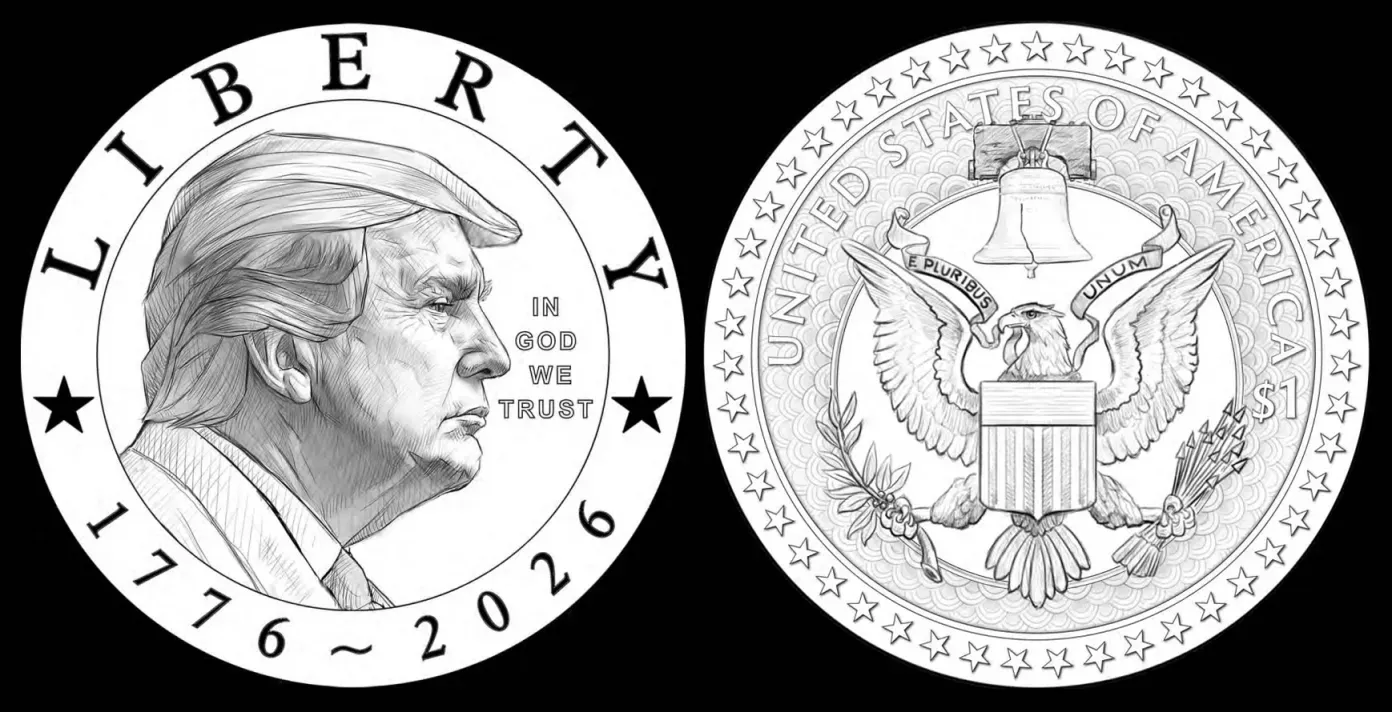
"For 250 years … with a few controversial exceptions, no nation on Earth has issued coins with the image of a democratically elected leader during the time of their service … Only those nations ruled by Kings or dictators display the image of their sitting ruler on the coins of the realm."
—Acting CCAC chair Donald Scarinci, February 24 2026
To review,
A multi-year, bipartisan, publicly informed design process produced themes that included Abolition, Suffrage, and Civil Rights. Those themes were replaced — without the legally mandated review process — by a new Treasury Secretary, after the legally mandated review body was dissolved by the president, and the new themes erase the post-founding struggle for a more inclusive country in favor of a narrative that stops, roughly, at the 18th century. The dime that emerged from this process carries an eagle with arrows and no olive branch, inscribed LIBERTY OVER TYRANNY, and entered into circulation during war.
Harriet Tubman was supposed to be on a quarter this year. She isn't.
Frederick Douglass's portrait was in the candidate designs reviewed by the Commission of Fine Arts. It was recommended. It was dropped.
The suffragettes — the women who were arrested, force-fed, beaten for the right to vote — had a quarter theme approved through the full legal process. Gone.
In their place, the Mayflower Compact. The Pilgrims. A document about self-governance written in 1620 by a group of English settlers who, whatever else they were, were not thinking about the liberty of others. I am not saying these replacement themes are without merit. The Constitution and the Gettysburg Address are both very important. But to remove Abolition, Suffrage, and Civil Rights from a series called "America's journey toward a more perfect union" — the Mint's own language — is to tell a very particular story about what perfection means and who gets to be part of the union.
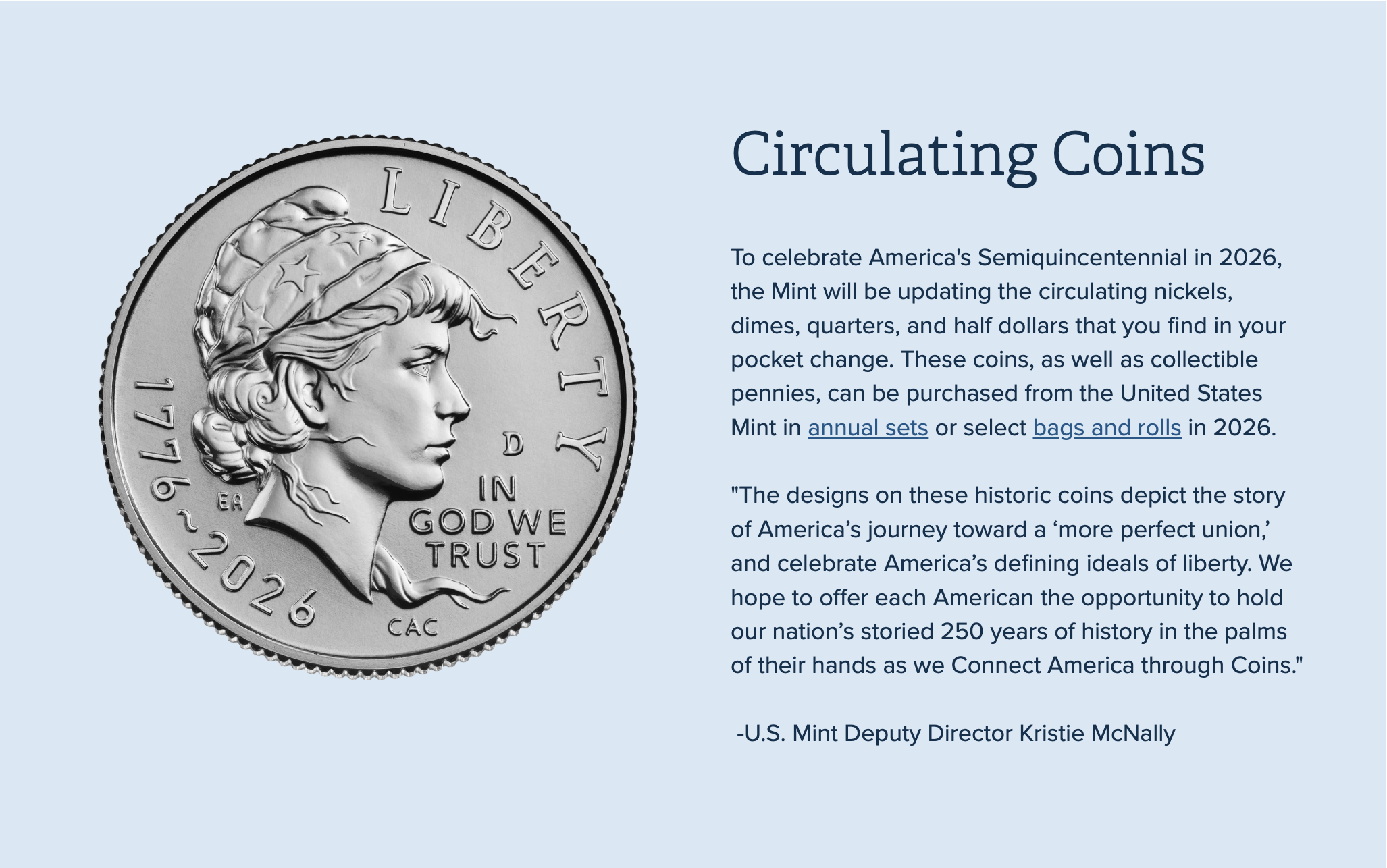
A dime weighs 2.268 grams. It is 17.91 millimeters in diameter and 1.35 millimeters thick. It is the smallest and thinnest coin in American circulation.
But this year, 2026, the dime is doing something that American coinage has never done in the 244-year history of the Great Seal: it is showing you an eagle that carries only the instruments of war. The peace is gone. The balance is gone. What's left is a slogan and a talon full of arrows.
© 2026 All rights reserved.
I used AI tools to assist in researching and writing this whatever it is. I did my best to check my facts. I'm just a guy. Let me know if something feels fishy.
Further Reading
The U.S. Mint's official page on the 2026 dime
Fortune: "The U.S. Mint just dropped the olive branch from the dime"
The Great Seal of the United States
Numismatic News: Letters to the Editor, January 2026
Wikipedia: United States Semiquincentennial coinage
CoinNews: Trump $1 Coin Designs Advance in Federal Review
Snopes: Does the Presidential Seal Change in Wartime?